Retrofit – A Dialogue.
25.06.2026
Not just Think.
Re-Think.
And talk about it.
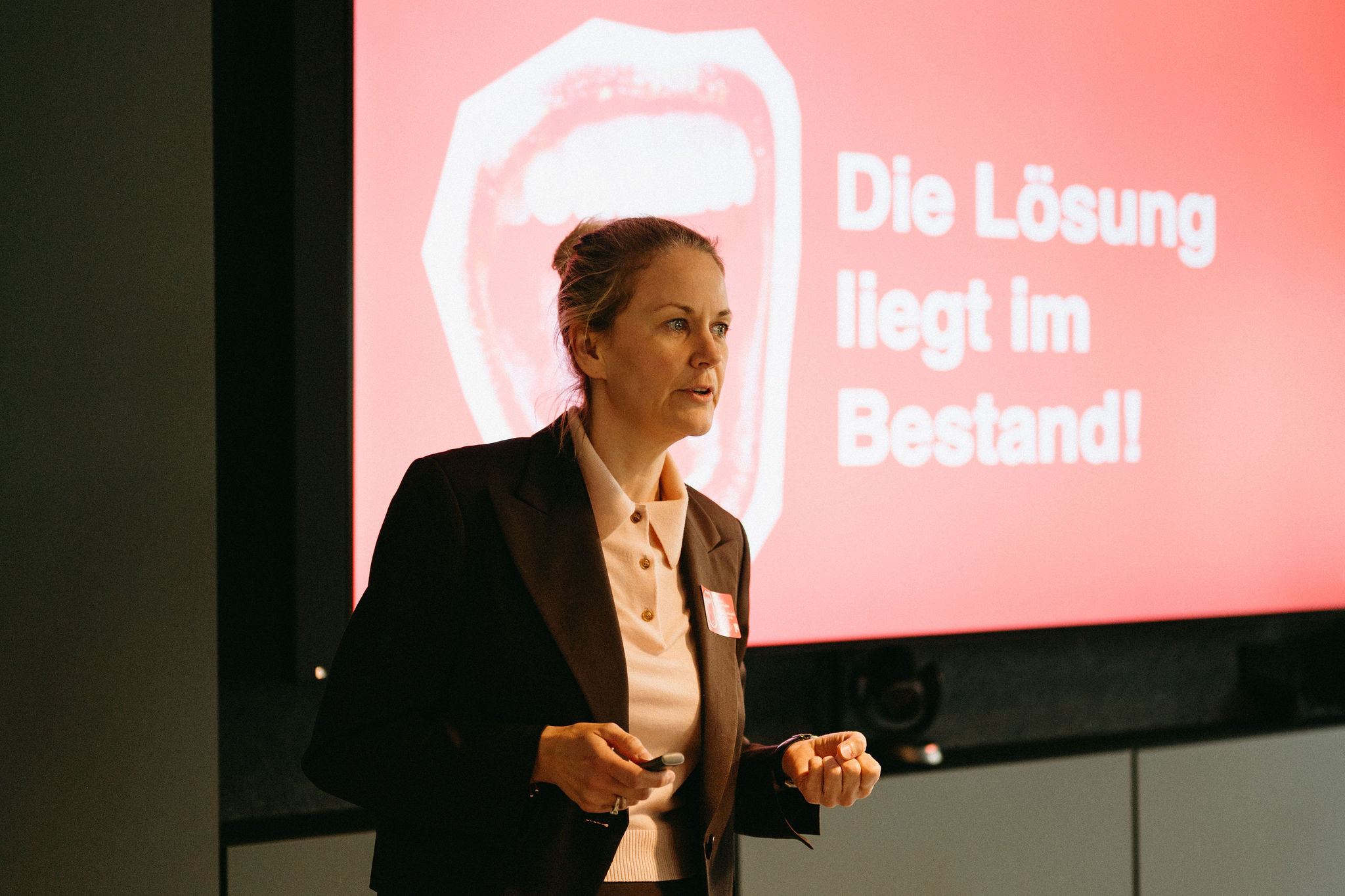
“Re-New. Re-Think.” This was the title of the first BiB Dialogue in Frankfurt, which we hosted together with the Verband für Bauen im Bestand on 16 June 2026 at the Westend Tower.
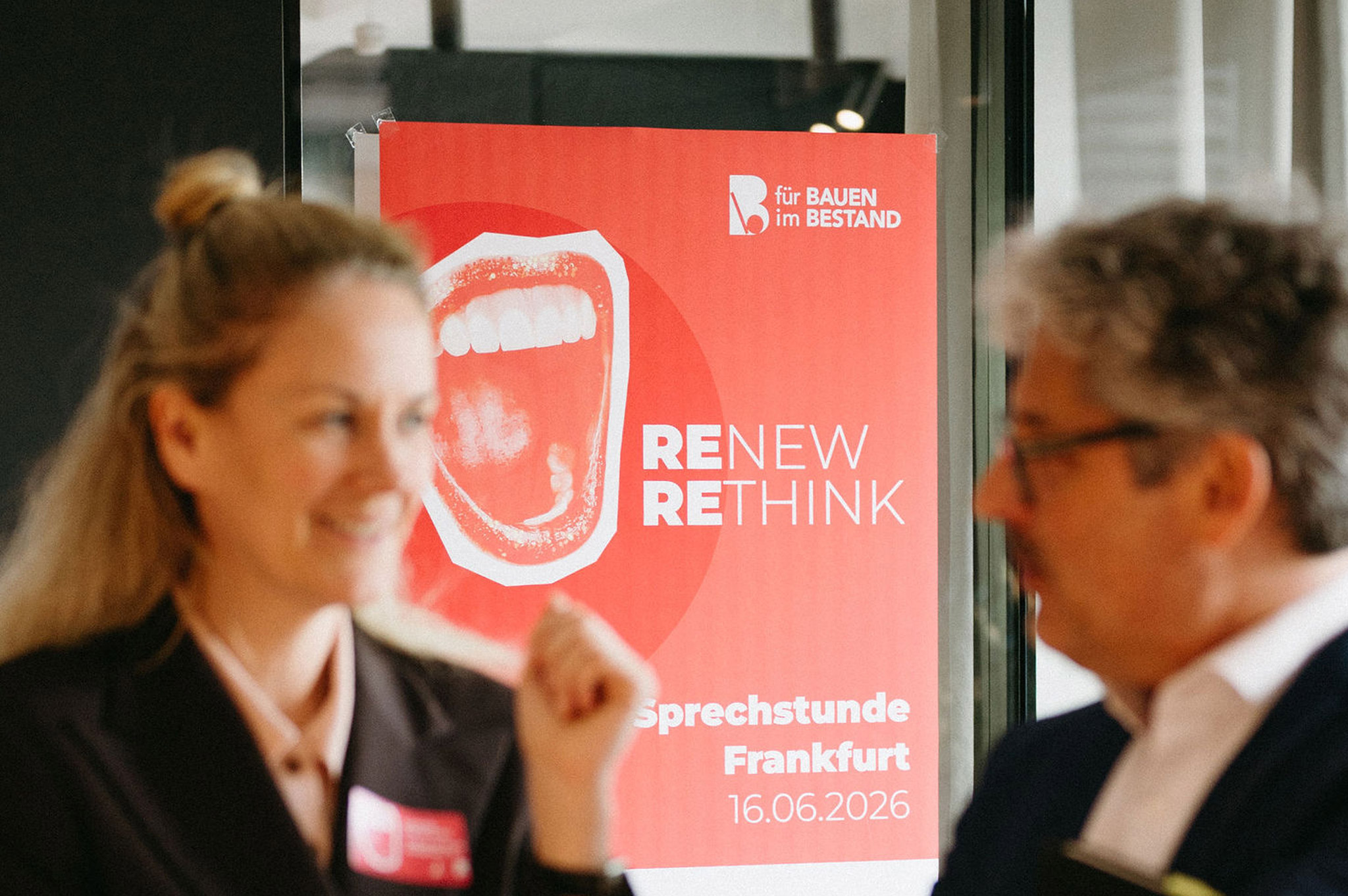
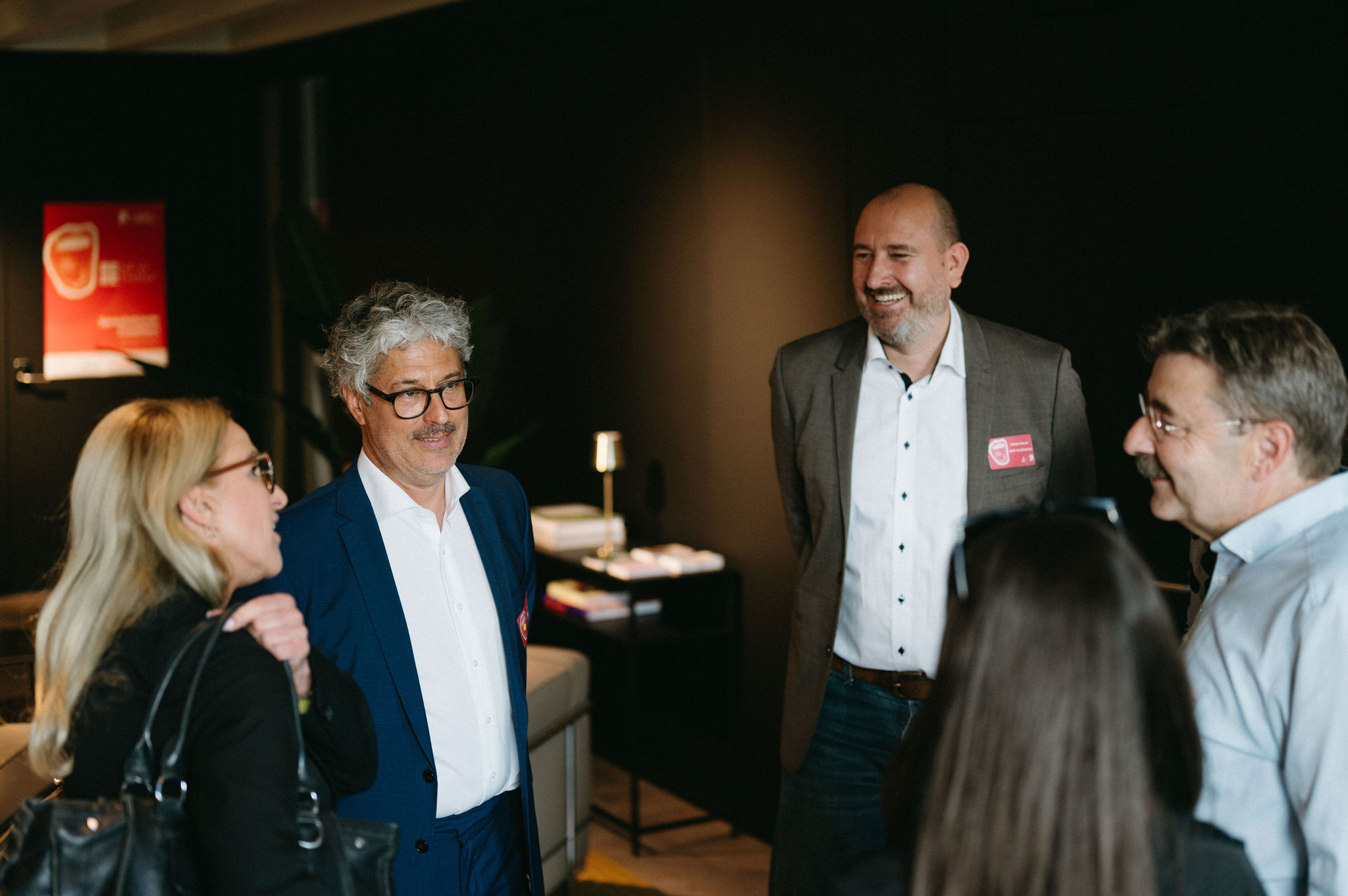
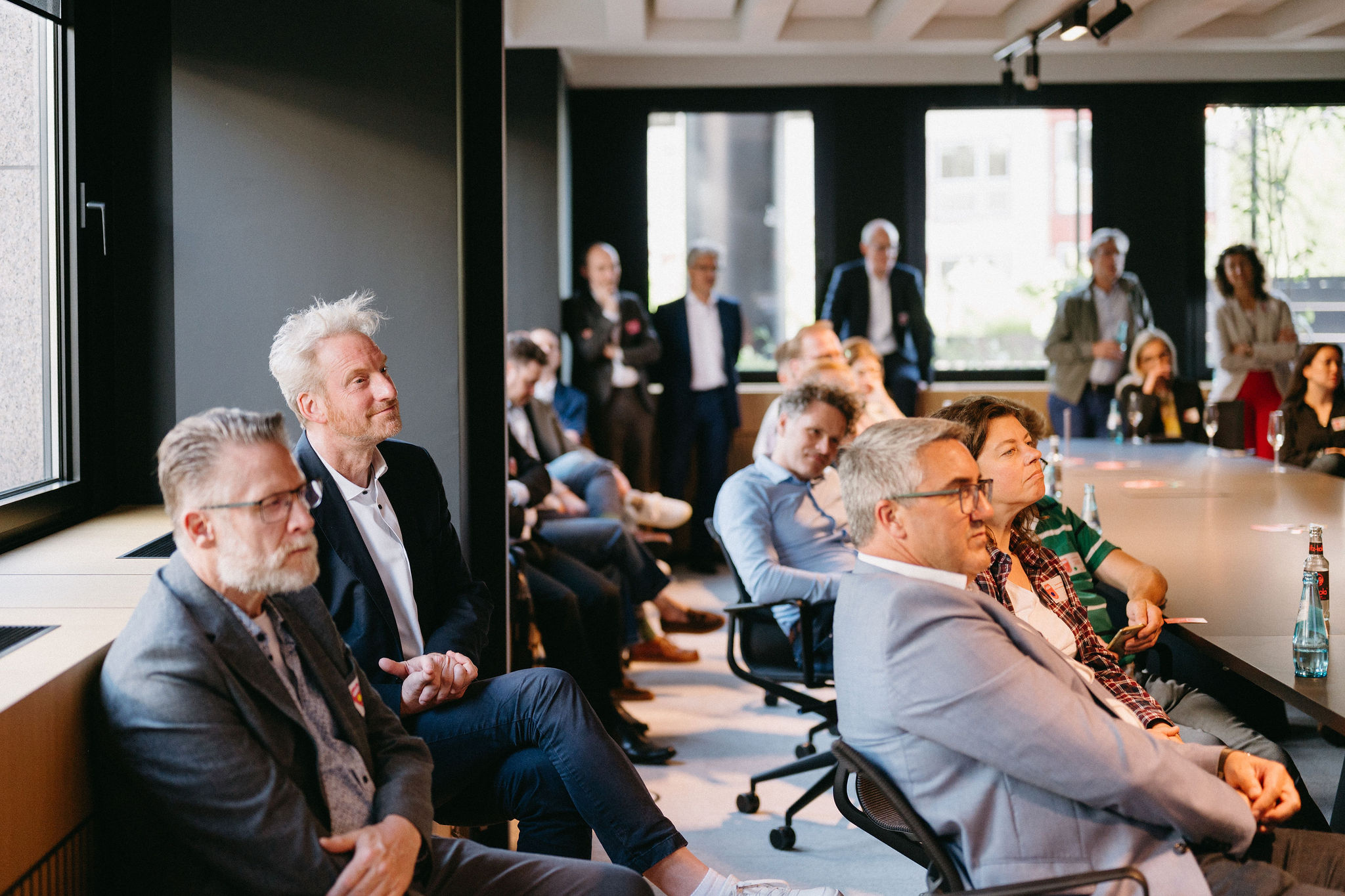
Around 40 professionals from architecture, planning, construction and the circular economy came together to explore one of the key challenges facing the construction sector in the future:
How can we successfully transform our building stock?
The idea for this evening came about a few months earlier in Berlin. The ‘Bauwende’ Climate Festival. Personal contacts. Discussions about existing buildings. About transformation. About how we can continue this dialogue. Not just at national level, but above all at regional level – where projects are taking shape, where experience is being gained, and where the challenges of renovating existing buildings become a daily reality.
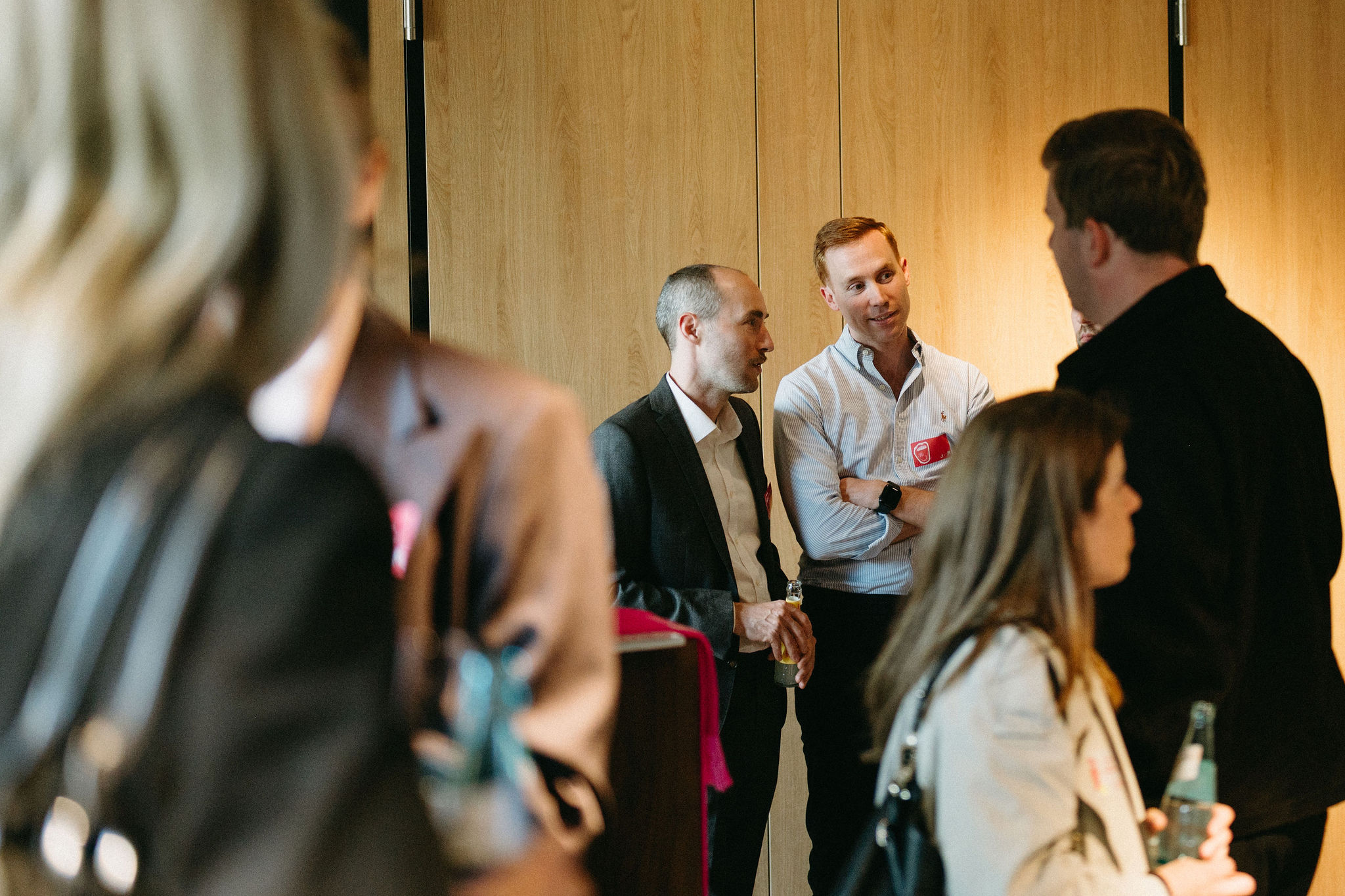
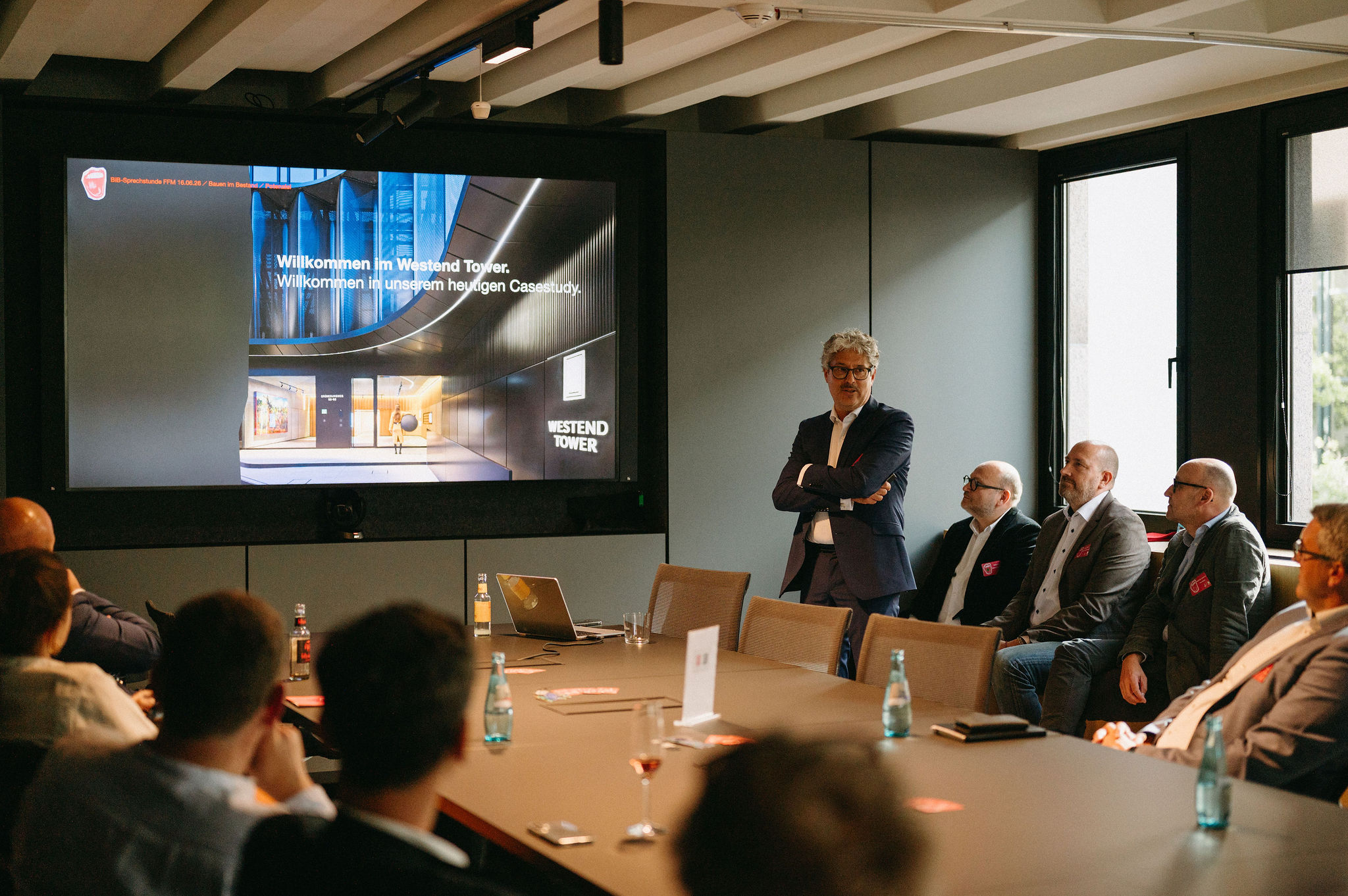
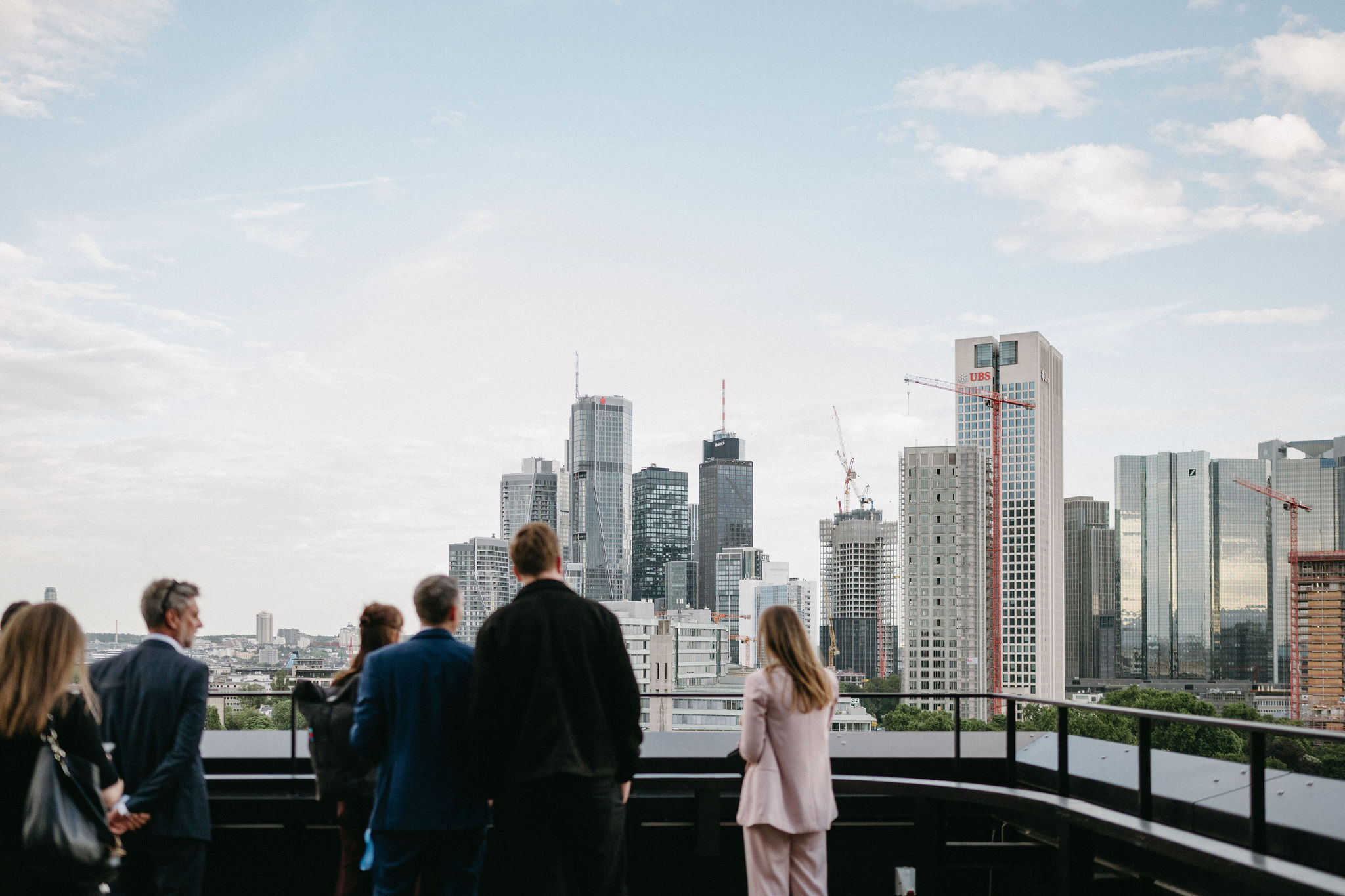
That evening, the Westend Tower was more than just a venue. It was our case study. An example of what we see in the existing building stock: opportunities, qualities, potential.
Through this project, we were able to present our concept of ‘boutique offices’ and bring it to life on site. The shared spaces, with meeting rooms and an adjoining roof garden as communal areas – the evening demonstrated that the concept works.
This allowed guests to experience not only the spaces themselves, but also the ideas behind them and our understanding of sustainability.
Sustainability
through design
The concluding tour of the building also provided insights into the office spaces and the challenges of the transformation. It demonstrated how a consistent corporate look is being developed throughout the building and how a new identity can emerge from an existing property.
The perspective does not end with the building. It continues at the material level.
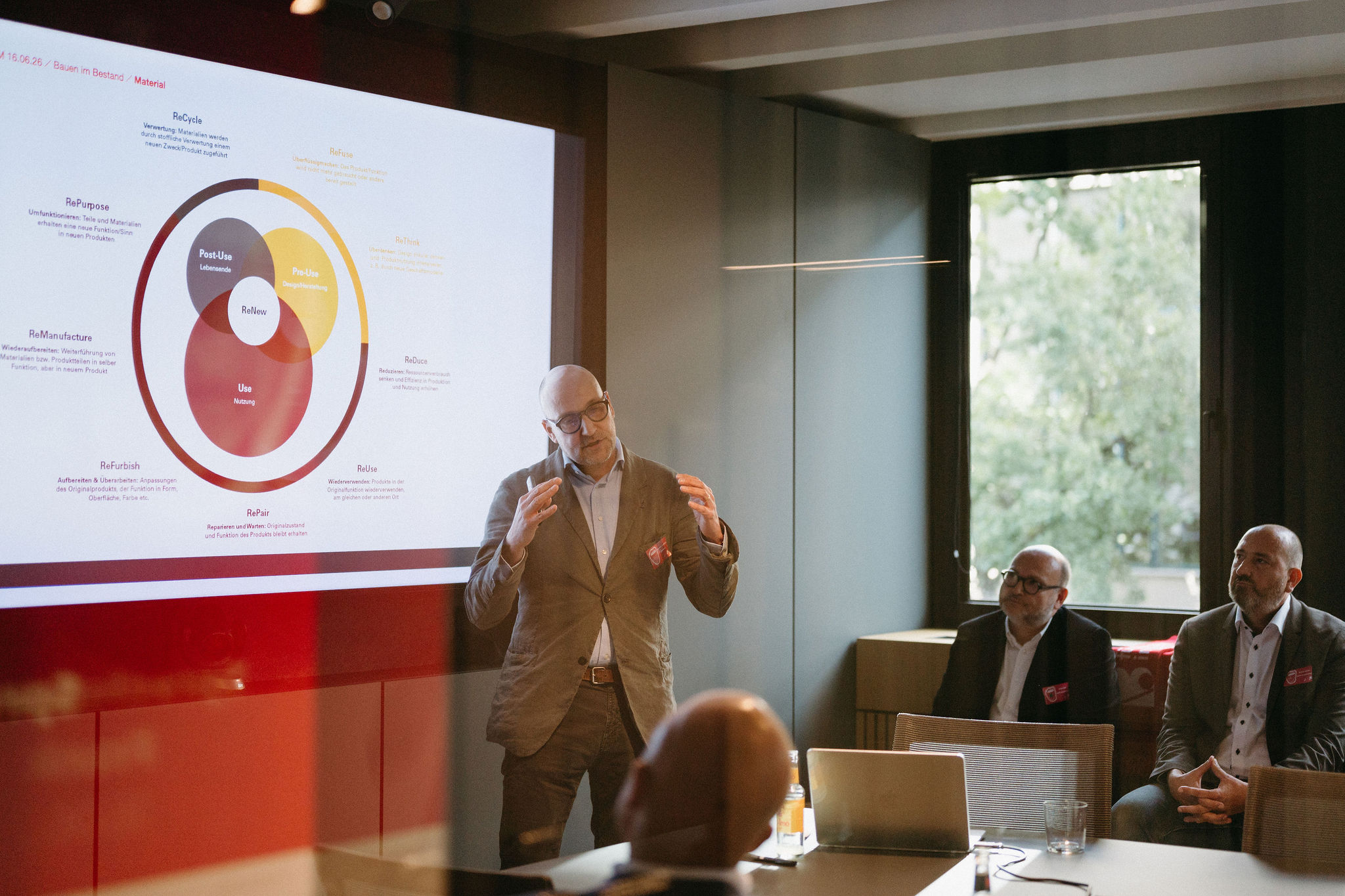
Insights from CircleNow and Concular expanded the discussion to include the themes of circularity, reuse and material cycles. It became clear that the circular economy is no longer merely a theoretical model for the future, but is increasingly giving rise to concrete processes, tools and business models.
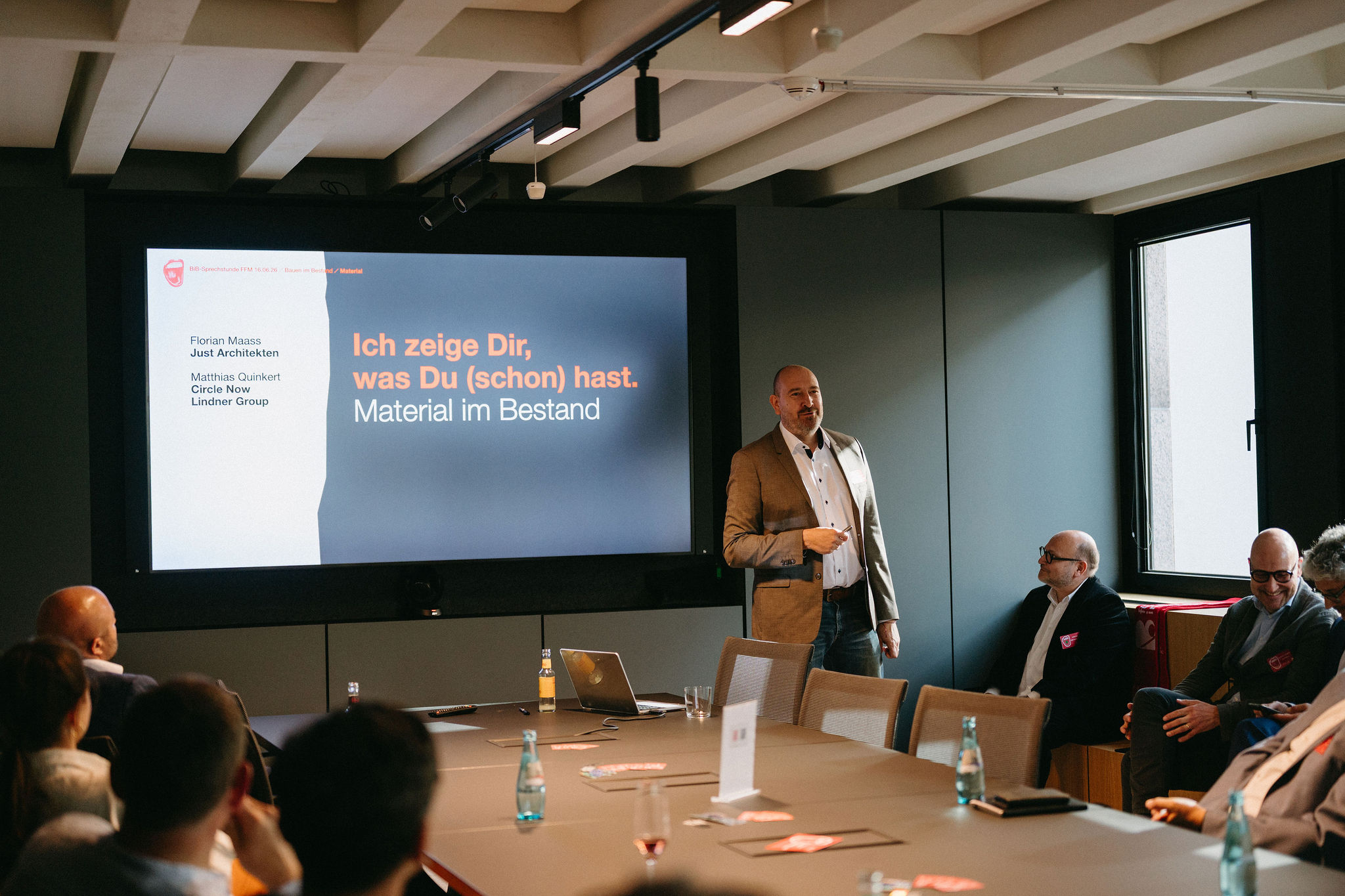
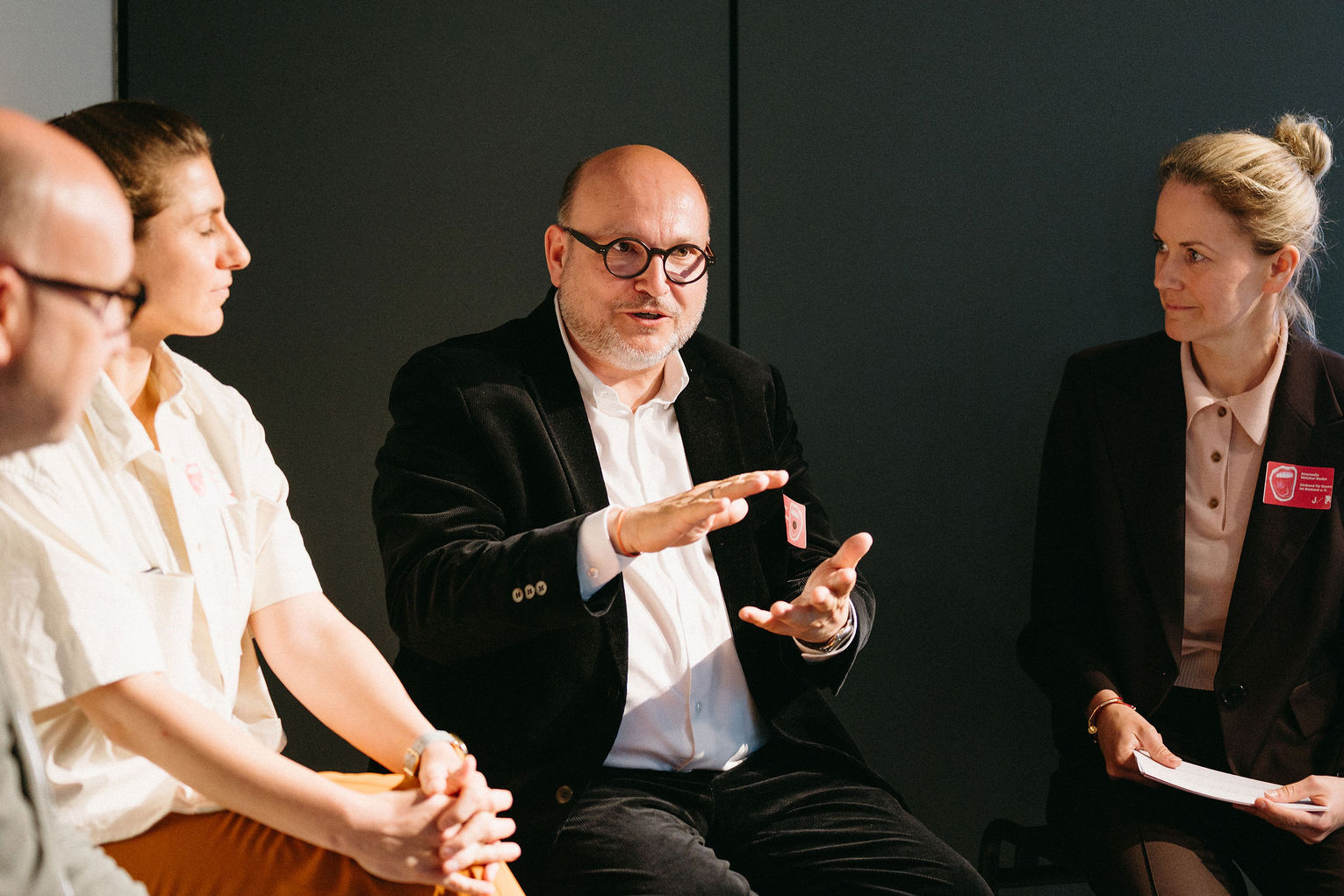
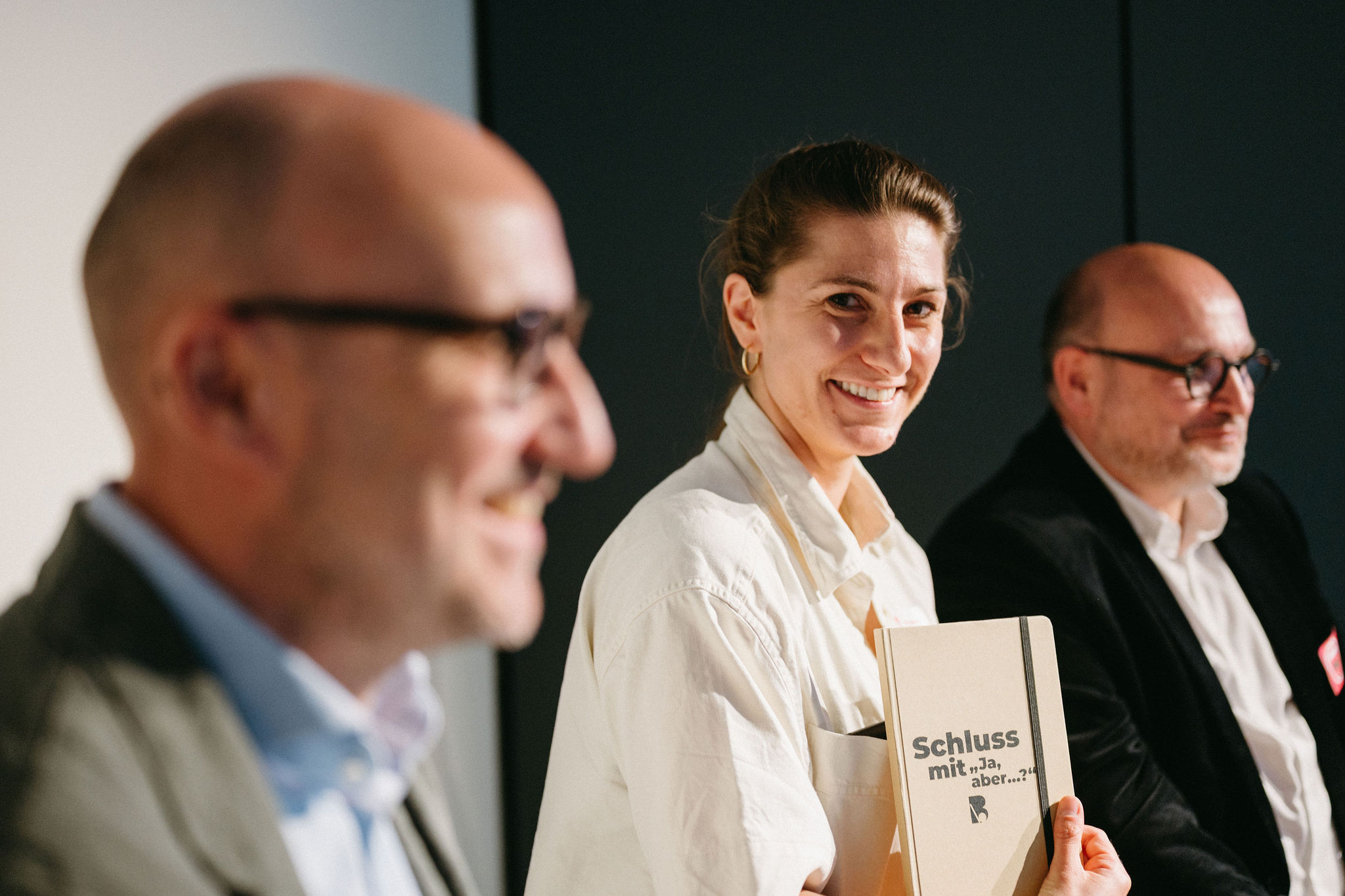
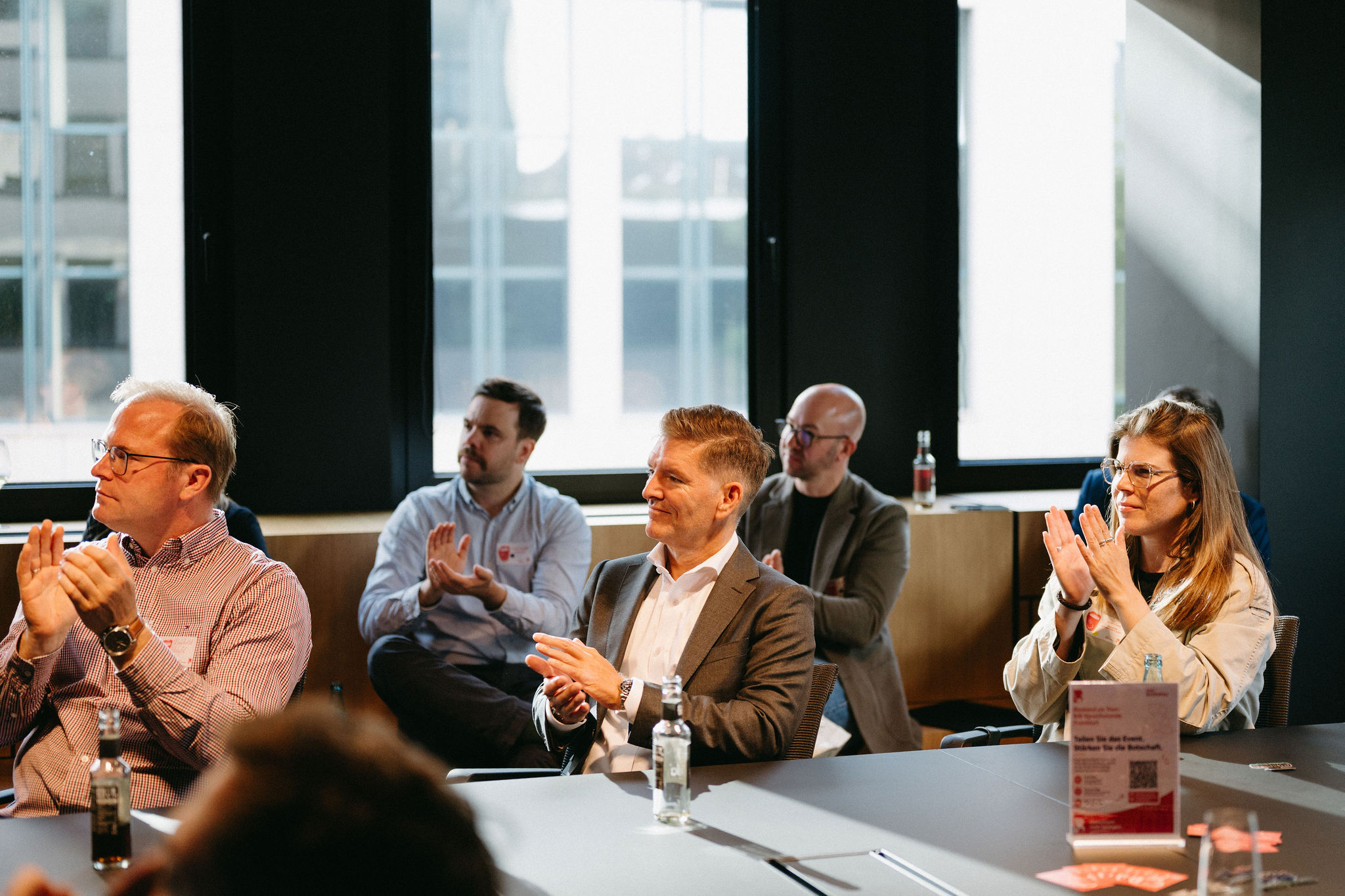
Key insights emerged from the presentations and the subsequent discussion:
Circularity does not necessarily mean ‘second-hand’. Professionally reconditioned components and materials can offer high-quality and economically attractive solutions.
The phase prior to the actual planning stage is becoming increasingly important. Anyone wishing to conserve resources and close loops must analyse, document and collaborate at an early stage.
Digitalisation is becoming key. Transparent material inventories and intelligent matching between available resources and specific projects create the foundation for scalable reuse.
The best solutions are developed collaboratively. Different perspectives make the difference – in working with existing buildings as much as in the dialogue about them.
Special Thanks
Verband für Bauen im Bestand
Anastasija Walcher-Radke
Agnieszka Hampel
CircleNow by Lindner Group
Matthias Quinkert
Concular
Elena Petkova